Archives
- 2026-08
- 2026-07
- 2026-06
- 2026-05
- 2026-04
- 2026-03
- 2026-02
- 2026-01
- 2025-12
- 2025-11
- 2025-10
- 2025-09
- 2025-03
- 2025-02
- 2025-01
- 2024-12
- 2024-11
- 2024-10
- 2024-09
- 2024-08
- 2024-07
- 2024-06
- 2024-05
- 2024-04
- 2024-03
- 2024-02
- 2024-01
- 2023-12
- 2023-11
- 2023-10
- 2023-09
- 2023-08
- 2023-07
- 2023-06
- 2023-05
- 2023-04
- 2023-03
- 2023-02
- 2023-01
- 2022-12
- 2022-11
- 2022-10
- 2022-09
- 2022-08
- 2022-07
- 2022-06
- 2022-05
- 2022-04
- 2022-03
- 2022-02
- 2022-01
- 2021-12
- 2021-11
- 2021-10
- 2021-09
- 2021-08
- 2021-07
- 2021-06
- 2021-05
- 2021-04
- 2021-03
- 2021-02
- 2021-01
- 2020-12
- 2020-11
- 2020-10
- 2020-09
- 2020-08
- 2020-07
- 2020-06
- 2020-05
- 2020-04
- 2020-03
- 2020-02
- 2020-01
- 2019-12
- 2019-11
- 2019-10
- 2019-09
- 2019-08
- 2019-07
- 2019-06
- 2018-07
-
br Introduction Connexins are transmembrane proteins that
2021-10-06
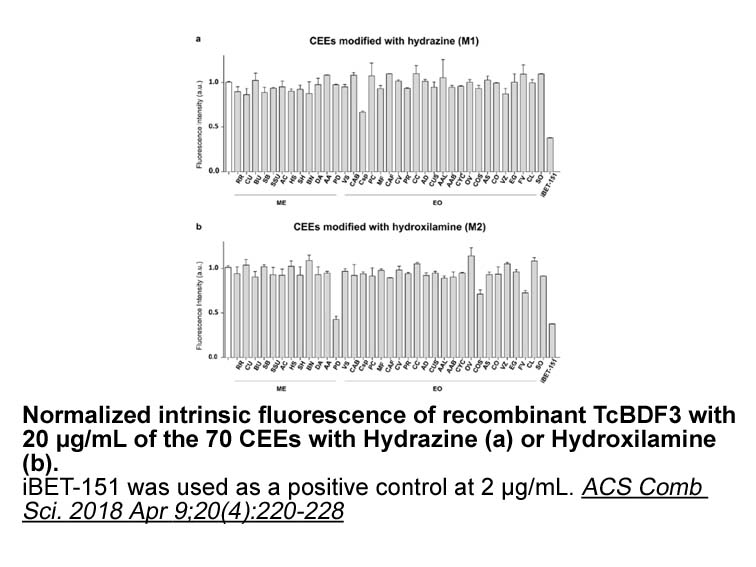
Introduction Connexins are transmembrane proteins that allow the exchange of molecules with the extracellular environment or adjacent DOI hydrochloride via channels in the plasma membrane. Intercellular communication and exchange of biologically active molecules, salts, and nutrients to the extr
-
The anti platelet functions of ZGR were
2021-10-03
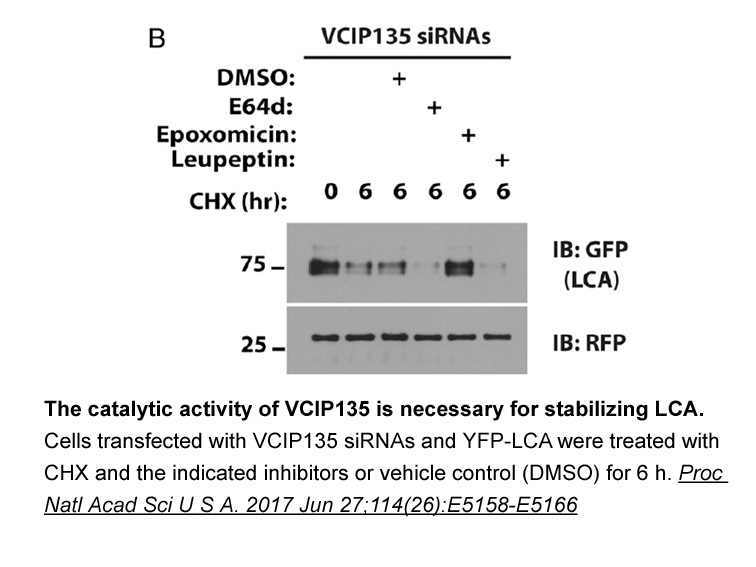
The anti-platelet functions of ZGR were confirmed by the mechanistic studies such as the activation of PKC, intracellular Ca2+ mobilization, and the expressions of P-selectin and PAC-1. Further, rivaroxaban prolonged the generation of thrombin and reduced the thrombin burst produced in the propagati
-
br Problem of cellular retention not only affects
2021-10-03

Problem of cellular retention not only affects the cellular activity of the nanoparticles and nanocomplexes but can also have ramifications in their in vivo applications. While inorganic nanoparticles are being developed extensively for detection as well as treatment of different human diseases, i
-
CL 316243 disodium salt In conclusions it is hypothesized th
2021-10-03
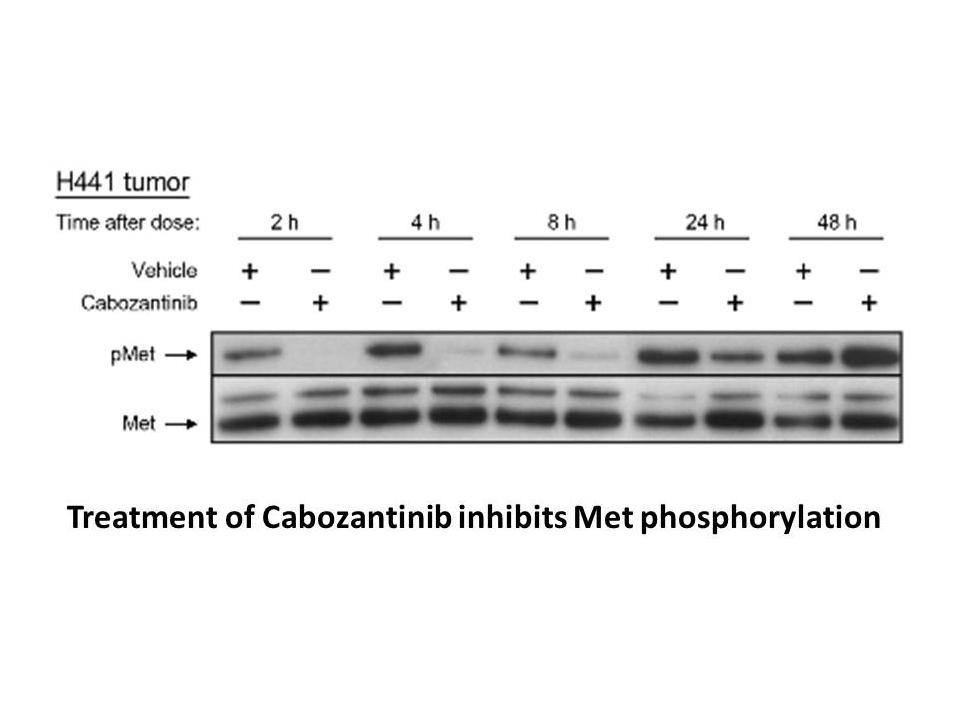
In conclusions, it is hypothesized that caffeine administration could lead to an increase in histamine neuronal activation or release of histamine [38] to induced locomotor stimulation via H1 receptor activation. In addition, the present study also propose that the spaced administration of caffeine
-
The LOD and linear range of
2021-10-03
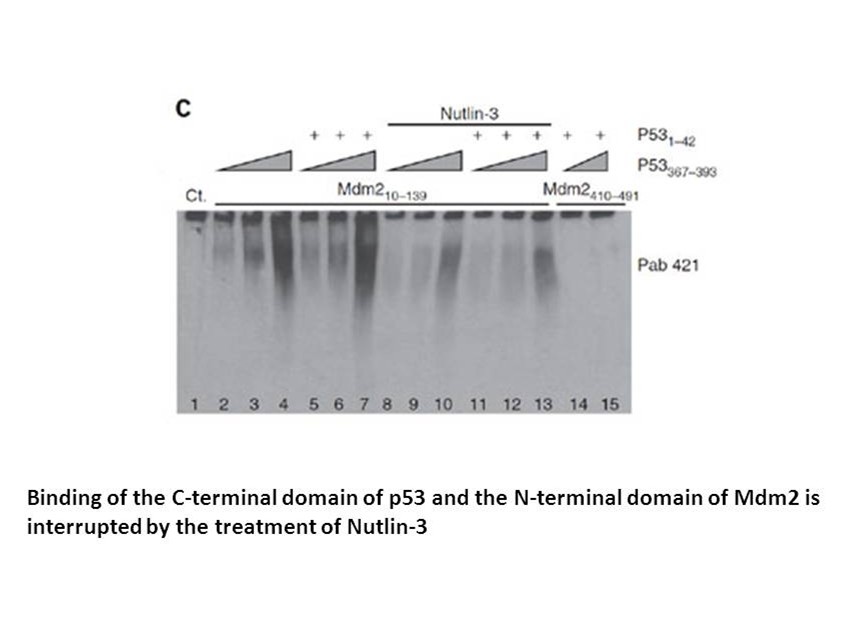
The LOD and linear range of the cobas HBV test using the cobas 4800 system in this study were similar to those provided by the manufacturer. We found a strong correlation between the results of the cobas HBV test and CAP/CTM v2.0 systems; however, 7.7% of samples yielded detectable results only with
-
br Conclusions br Acknowledgments This work
2021-10-03
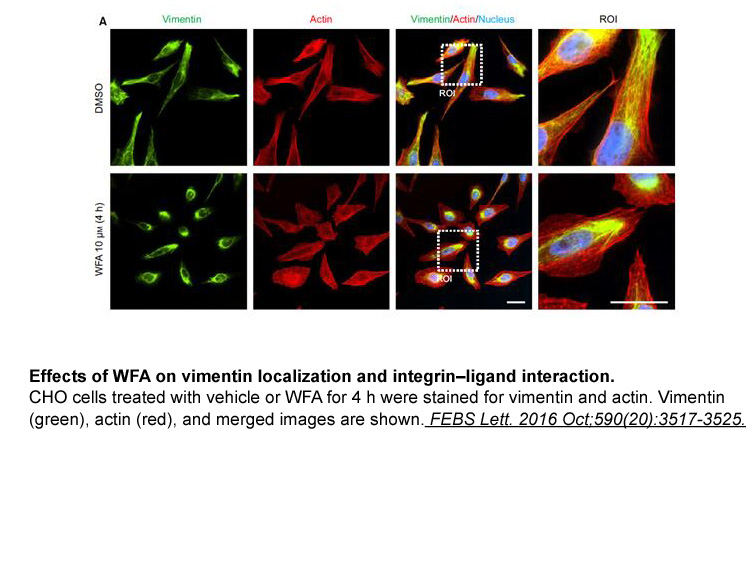
Conclusions Acknowledgments This work was financially supported partly by Shanghai Pujiang Talent Project (No.: 08PJ14017), the National Natural Science Foundation of China (Nos.: 20771029 and 91013001) and Shanghai Leading Academic Discipline Project (No. B108). Soluble guanylate cyclase (
-
br Materials and methods br Results As expected due to
2021-10-02
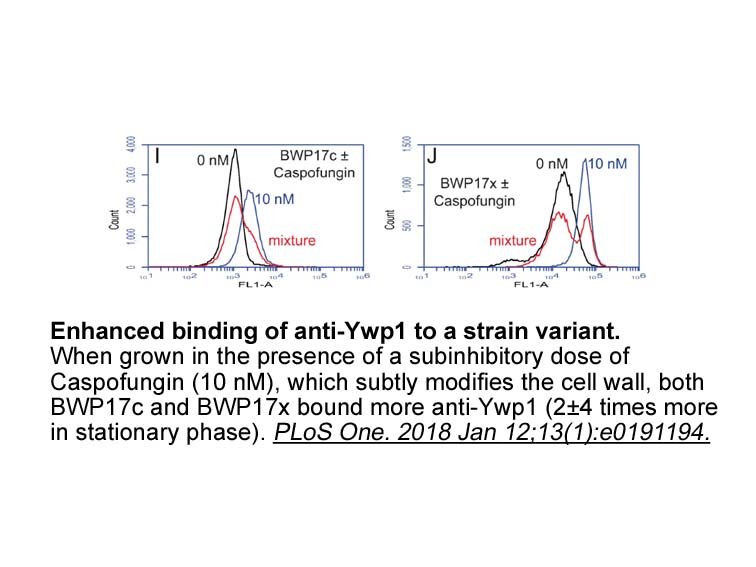
Materials and methods Results As expected, due to matching by age, the mean ages were similar for the two groups of children when stratified by ASD status; children with an ASD had a mean age of 67.0 months, while the mean age for children in the TD control group was 68.0 months. Nearly all of
-
The discovery that the physiological functions of LPI are as
2021-10-02

The discovery that the physiological functions of LPI are associated with the activation of specific GPR55 membrane receptor [4] has launched a new era of research on this lysophospholipid. However, the activation of membrane receptors by lysophospholipids is extremely complex due to the multitude o
-
Rigosertib br Gastrointestinal peptides and intestinal healt
2021-10-02
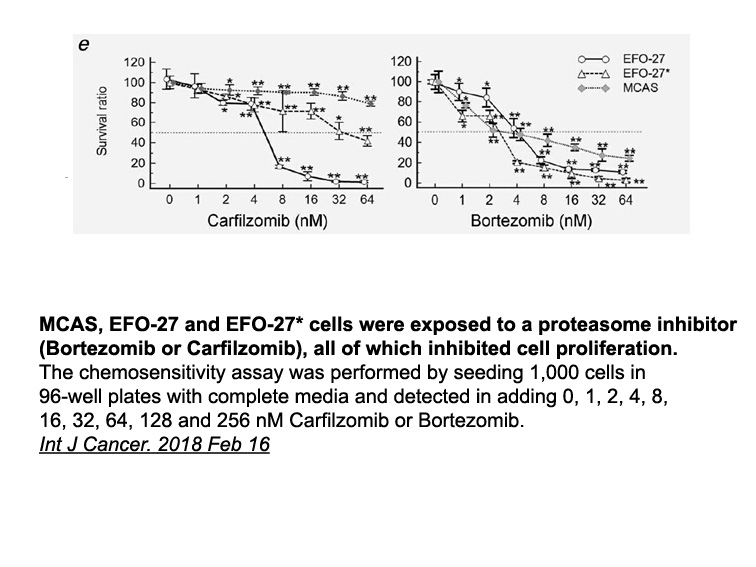
Gastrointestinal peptides and intestinal health Gastrointestinal peptides are intimately involved in the regulation of feeding behaviors, energy metabolism and bodyweight 36, 37, 38, 39, 40, 41. GPR120 has been demonstrated to induce secretion of two such peptides: GLP-1 and cholecystokinin (CCK)
-
The fact that KNDy neurons activity is sensitive
2021-10-02

The fact that KNDy neurons activity is sensitive for circulating hormones related with control of hydroxylase inhibitor homeostasis was demonstrated in other studies (Cejudo Roman et al., 2012; Navarro et al., 2011). It is well documented that leptin plays an important role in the regulation of the
-
Injury to oligodendrocyte progenitors caused
2021-10-02
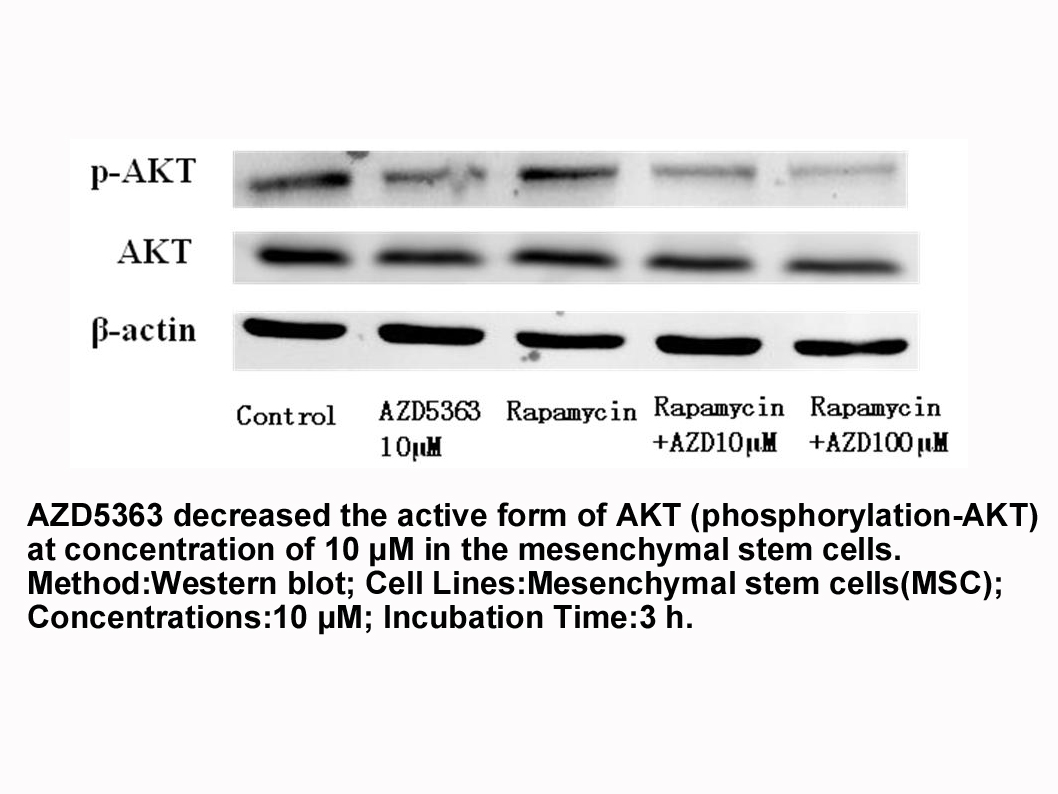
Injury to oligodendrocyte progenitors caused in part by glutamate contributes to the pathogenesis of myelination disturbances in PVL [5]. In the immature human brain, the susceptibility of developing oligodendrocytes to hypoxia-ischemia correlates with their expression of glutamate receptors of the
-
GIPR genes were not found in any
2021-10-02
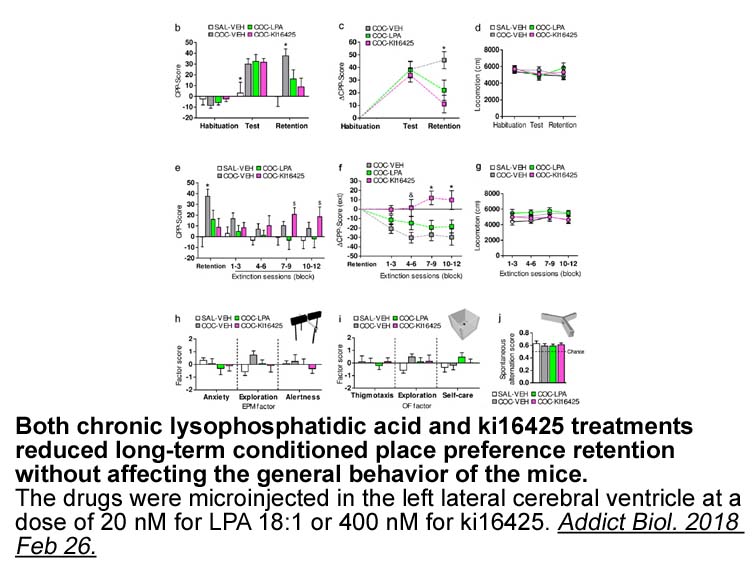
GIPR genes were not found in any of the available bird genome as well as the genomes of several species of fish (Tables S3 and S4). The genomic neighborhoods surrounding the GIPR genes in species that have them was generally conserved (see Fig. 8), and like GLP2R, those fish that did have a Gipr gen
-
In the gastrointestinal GI tract CART expression has been de
2021-10-02

In the gastrointestinal (GI) tract CART expression has been described in the enteric nervous system in rats (Ekblad et al., 2003), pigs (Wierup et al., 2007), sheep (Arciszewski et al., 2009), guinea pigs (Ellis and Mawe, 2003) and humans (Kasacka et al., 2012). Less is known about CART expression i
-
The chemical structure of BAs consists of a steroid
2021-10-01
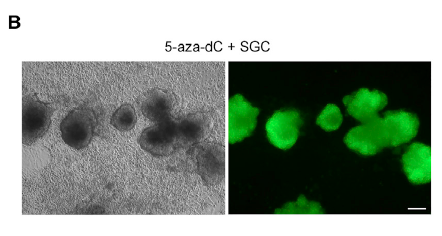
The chemical structure of BAs consists of a steroid nucleus with an acidic side chain. They are amphipatic molecules characterized by a hydrophilic α-face and a hydrophobic β-face. The hydrophobic pocket of the FXR LBD interacts with BAs largely through the β-face. The α-face contains several hydrox
-
The ability to metastasize is the defining character of
2021-10-01
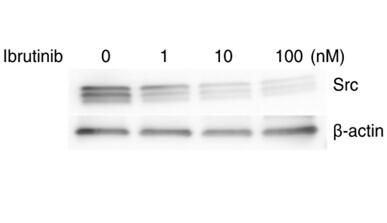
The ability to metastasize is the defining character of a cancer and the leading cause for resultant mortality. It is hypothesized that a rare subset of cancer cells, often operationally referred to as “cancer stem cells” (CSCs), are responsible for sustaining cancer metastasis and recurrence [1]. T
15786 records 619/1053 page Previous Next First page 上5页 616617618619620 下5页 Last page