Archives
- 2026-08
- 2026-07
- 2026-06
- 2026-05
- 2026-04
- 2026-03
- 2026-02
- 2026-01
- 2025-12
- 2025-11
- 2025-10
- 2025-09
- 2025-03
- 2025-02
- 2025-01
- 2024-12
- 2024-11
- 2024-10
- 2024-09
- 2024-08
- 2024-07
- 2024-06
- 2024-05
- 2024-04
- 2024-03
- 2024-02
- 2024-01
- 2023-12
- 2023-11
- 2023-10
- 2023-09
- 2023-08
- 2023-07
- 2023-06
- 2023-05
- 2023-04
- 2023-03
- 2023-02
- 2023-01
- 2022-12
- 2022-11
- 2022-10
- 2022-09
- 2022-08
- 2022-07
- 2022-06
- 2022-05
- 2022-04
- 2022-03
- 2022-02
- 2022-01
- 2021-12
- 2021-11
- 2021-10
- 2021-09
- 2021-08
- 2021-07
- 2021-06
- 2021-05
- 2021-04
- 2021-03
- 2021-02
- 2021-01
- 2020-12
- 2020-11
- 2020-10
- 2020-09
- 2020-08
- 2020-07
- 2020-06
- 2020-05
- 2020-04
- 2020-03
- 2020-02
- 2020-01
- 2019-12
- 2019-11
- 2019-10
- 2019-09
- 2019-08
- 2019-07
- 2019-06
- 2018-07
-
bv8 It should be noted that the applied steered
2021-11-18
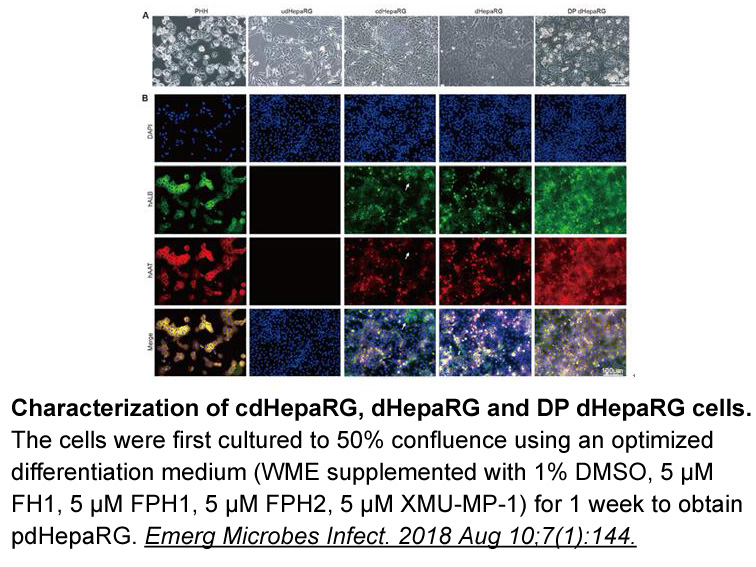
It should be noted that the applied steered unfolding of the i-motif and G-quadruplex satisfies the conditions of Jarzynski inequality for computations of the free energy change. [41] However, in order to reproduce the free energy with an adequate quality a number of nonequilibrium unfolding transit
-
Introduction Osteoclasts are large multinuclear cells that a
2021-11-18
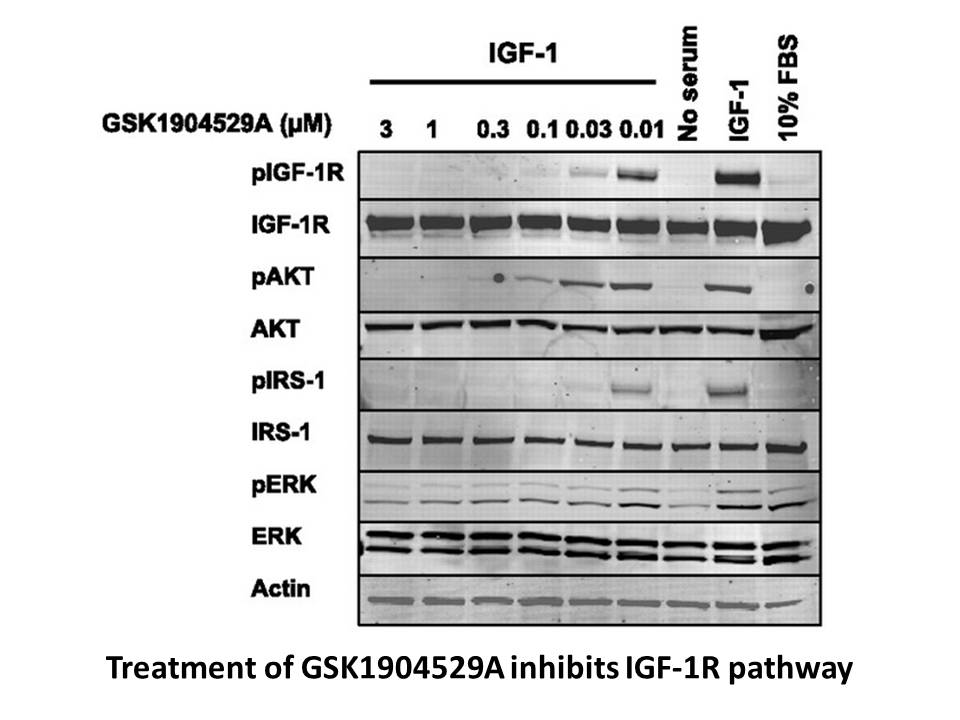
Introduction Osteoclasts are large, multinuclear Phosphoramidon Disodium Salt receptor that are responsible for the resorption (breakdown) of bone [1]. Together with osteoblasts, the bone forming cell, they maintain the integrity of the skeleton through constant resorption and repair of bone. Oste
-
Fpr which belongs the family of the formyl peptide
2021-11-18
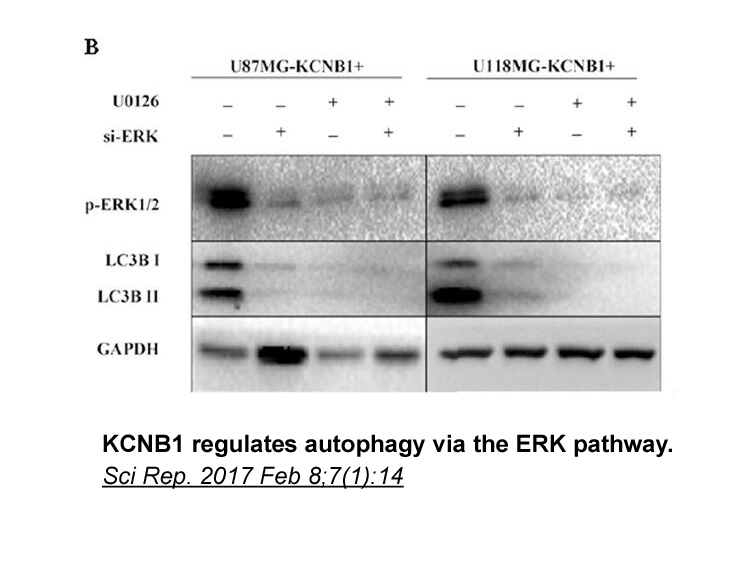
Fpr1, which belongs the family of the formyl peptide receptors with FPRL1 and FPRL2, is the principal receptor for formylated peptides which prototype is the tri-peptide fMLF. Fpr1 is highly expressed on neutrophils and macrophages [6,30], promotes their migration into the mucosa and lumen in respon
-
br Results br Discussion In this study
2021-11-18
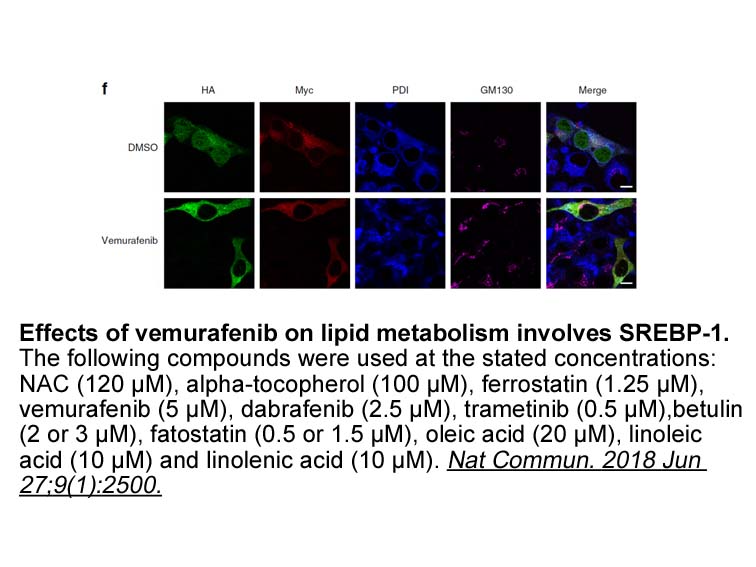
Results Discussion In this study, six new T30695 variants were synthesized with the acyclic R or S glycerol linker instead of choline fenofibrate unit at 4, 8 or 12 T residue. Based on our previous studies on TBA-GQ, this type of modification should provoke local changes in GQ conformations i
-
All of the designed compounds was synth http
2021-11-18
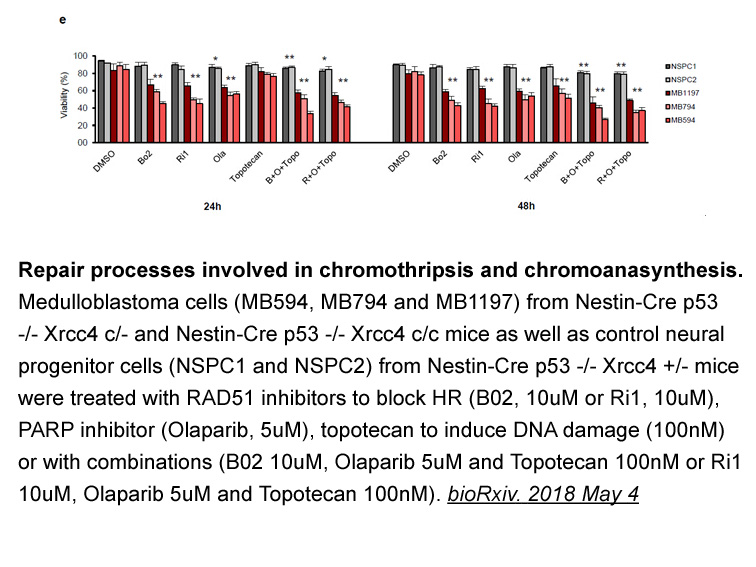
All of the designed compounds – was synthesized from -cyclopropane aldehyde , which was prepared following a procedure we reported previously. Treatment of with 4-chlorobenzene-1,2-diamine in pyridine constructed benzimidazole structure of , which was subjected to deprotection and subsequent oxidat
-
Tazobactam sodium salt The Hippo pathway is a growth
2021-11-18
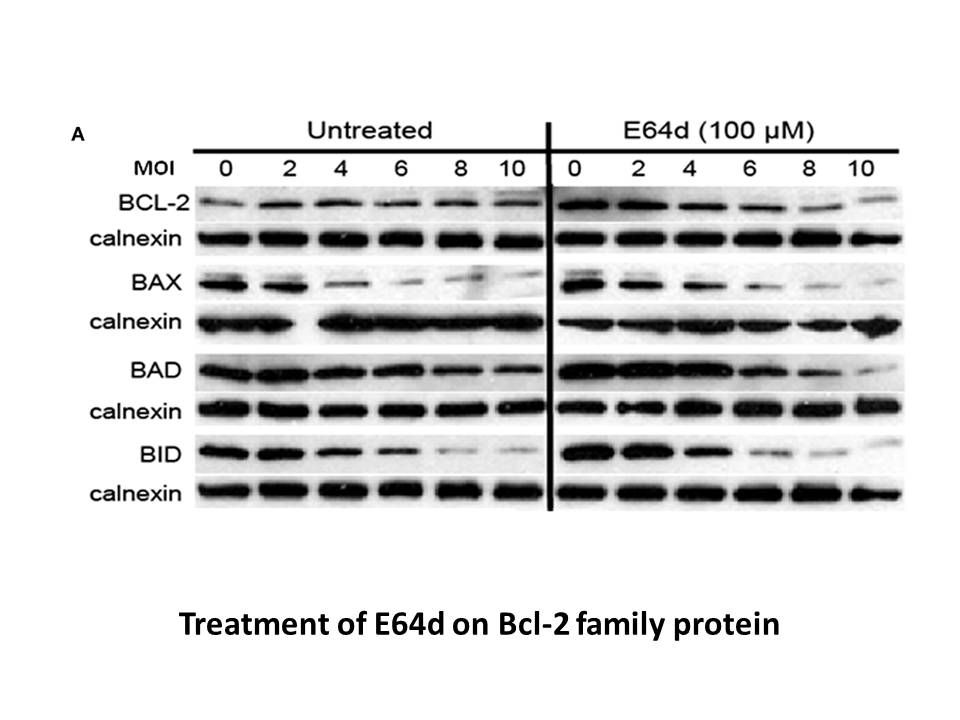
The Hippo pathway is a growth control signaling cascade that has been demonstrated to play an important role in regulating cell proliferation and differentiation [5,6]. The core signaling pathway consists of a group of kinases which negatively regulate the expression of transcriptional co-activators
-
Finally we find that in
2021-11-18
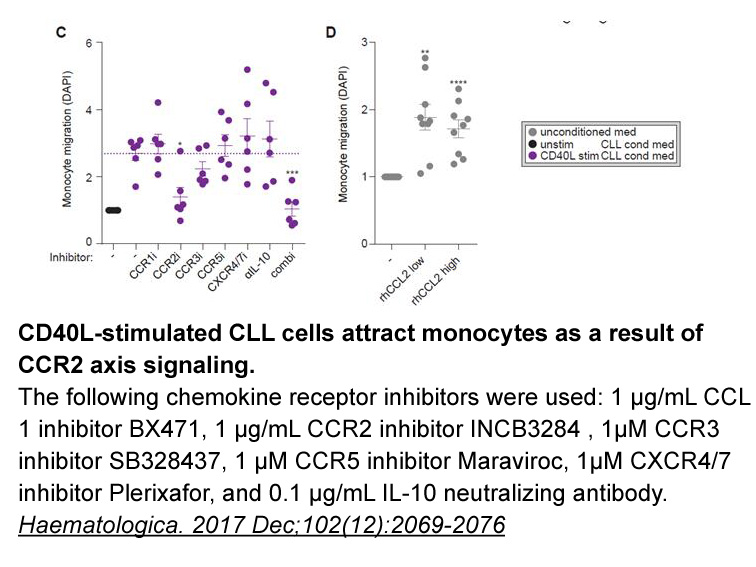
Finally, we find that in the absence of Aurora B, Sgo1 is delocalized from centromeres and found along chromosome arms, as reported after depletion of Bub1 (Kitajima et al., 2005, Riedel et al., 2006). The increased arm cohesion observed in the absence of Aurora B activity is dependent on the presen
-
br Other Functions of HCA Receptors
2021-11-18
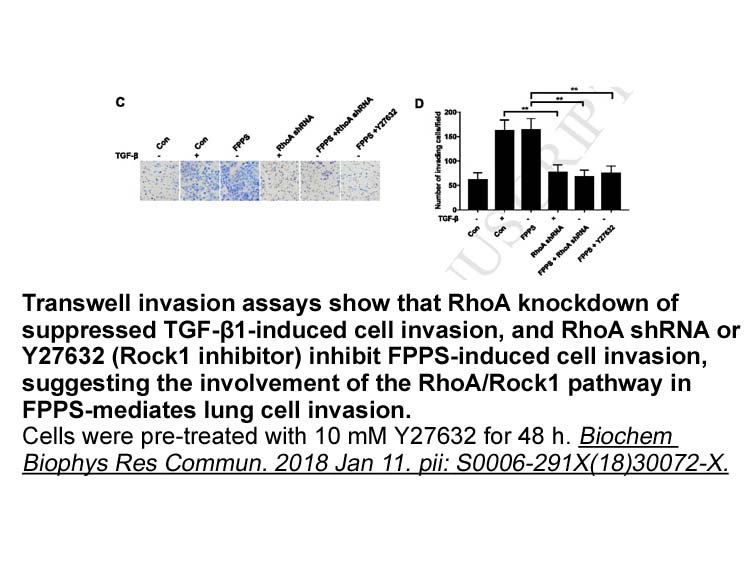
Other Functions of HCA Receptors HCA receptors, in particular HCA1, are expressed in various primary tumor Schisandrol B synthesis 77, 78, 79. This is of interest, as most solid tumors show increased glucose uptake and lactate formation even under normoxic conditions, with lactate concentrations
-
br Conclusions Beta cell specific expression in human islets
2021-11-18

Conclusions Beta cell-specific expression in human islets of DGCR2, GBF1, GPR44 and SerpinB10 has not previously been described, although the proteins have partly been characterized in other contexts not related to beta SYBR Safe DNA Gel Stain or diabetes. DGCR2, GPR44 and SerpinB10 were negativ
-
The soluble receptor for advanced glycation end products
2021-11-17
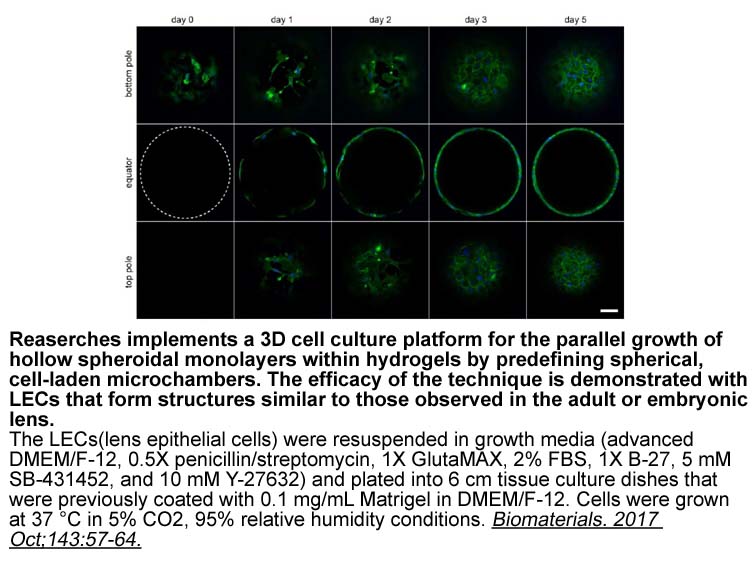
The soluble receptor for advanced glycation end products has been already studied in physiological and pathological pregnancy. In accordance to our previous studies we showed increased sRAGE serum levels in women with threatening premature labor [15] and we described a negative correlation of sRAGE
-
Percentage contribution to free glutamate intake
2021-11-17
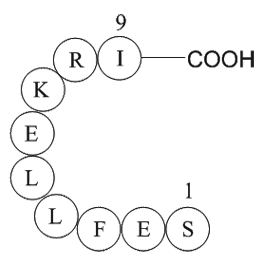
Percentage contribution to free glutamate intake was also calculated at the food item level. A list of the top 30 foods for children and adults are presented separately in Table 2. The top 4 foods included in this list are watermelon, raw; tomato catsup; tomatoes, raw; and roll, white, soft. These a
-
br Glucose metabolism and diet Glucokinase is essential for
2021-11-17
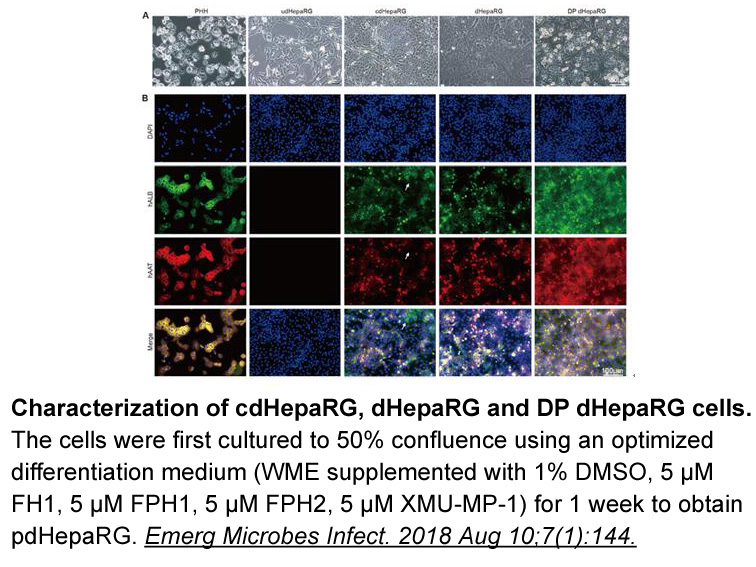
Glucose metabolism and diet Glucokinase is essential for sensing blood glucose levels, thus controls metabolism (Iynedjian, 1993, Iynedjian, 2009, Postic et al., 2001, Agius, 2008). Loss of glucokinase activity in humans and mice leads to diabetes (Printz et al., 1993b, Postic et al., 2001, Agius
-
Cortisol targets many organs and tissues and has certain eff
2021-11-17
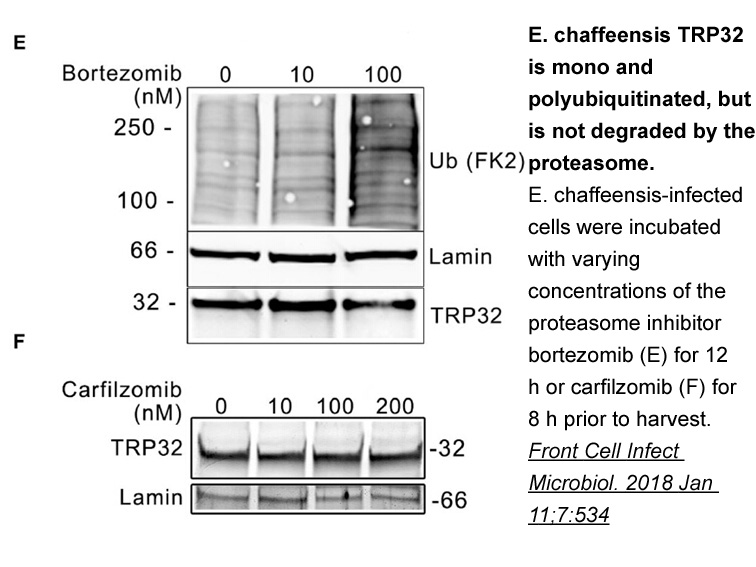
Cortisol targets many organs and tissues and has certain effects on metabolism, including promoting glycolysis. It can cross the blood Aliskiren Hemifumarate barrier and act centrally to regulate HPA axis activity by activating negative feedback mechanisms effectively, cortisol inhibits its own pro
-
In the thoracic spinal cord neither glacial acetic acid
2021-11-17

In the thoracic spinal cord, neither glacial acetic GW311616 hydrochloride synthesis nor HBO2 had an effect on nNOS expression or expression of the phosphorylated β3 subunit of the GABAA receptor. This result was not unexpected due to the preponderance of nociceptive signaling in the lumbar versus
-
Therefore the histomorphology and the comprehensive analysis
2021-11-17
Therefore, the histomorphology and the comprehensive analysis of TMJ-RA pathogenesis need to be completed although clinical findings in TMJ-RA are similar to RA in other joints [41]. Especially for the dentist, the difficulties associated with diagnosing TMJ-RA patients [49] posing challenges to dia
15786 records 591/1053 page Previous Next First page 上5页 591592593594595 下5页 Last page