Archives
- 2026-09
- 2026-08
- 2026-07
- 2026-06
- 2026-05
- 2026-04
- 2026-03
- 2026-02
- 2026-01
- 2025-12
- 2025-11
- 2025-10
- 2025-09
- 2025-03
- 2025-02
- 2025-01
- 2024-12
- 2024-11
- 2024-10
- 2024-09
- 2024-08
- 2024-07
- 2024-06
- 2024-05
- 2024-04
- 2024-03
- 2024-02
- 2024-01
- 2023-12
- 2023-11
- 2023-10
- 2023-09
- 2023-08
- 2023-07
- 2023-06
- 2023-05
- 2023-04
- 2023-03
- 2023-02
- 2023-01
- 2022-12
- 2022-11
- 2022-10
- 2022-09
- 2022-08
- 2022-07
- 2022-06
- 2022-05
- 2022-04
- 2022-03
- 2022-02
- 2022-01
-
Redefining Cell Viability Assessment: Mechanistic Insight...
2025-10-02
Explore how mechanistically-driven viability assays like Cell Counting Kit-8 (CCK-8) are transforming translational research. This thought-leadership article contextualizes CCK-8's WST-8-based chemistry within the latest discoveries in cancer metastasis, highlights its strategic advantages over legacy assays, and provides actionable guidance for researchers aiming to bridge in vitro findings with clinical impact.
-
Reimagining Cell Viability Assessment: Mechanistic Precis...
2025-10-01
This thought-leadership article explores the mechanistic underpinnings and strategic advantages of Cell Counting Kit-8 (CCK-8) in sensitive cell viability, proliferation, and cytotoxicity assays. Drawing from cutting-edge research on neuroprotection, ferroptosis, and mitochondrial metabolism, we guide translational researchers on optimizing experimental design and maximizing clinical impact, while distinguishing CCK-8 from conventional cell viability assays.
-
Redefining Cell Viability Assessment: Mechanistic Excelle...
2025-09-30
This thought-leadership article explores the pivotal role of Cell Counting Kit-8 (CCK-8) in advancing cell viability, proliferation, and cytotoxicity assays. By integrating mechanistic insight, experimental validation, and translational strategy—including recent findings on oxidative stress and nephroprotection—the article positions CCK-8 as an indispensable tool for next-generation biomedical research and therapeutic discovery.
-
Cell Counting Kit-8 (CCK-8): Transforming ecDNA Research ...
2025-09-29
Discover how the Cell Counting Kit-8 (CCK-8) empowers advanced water-soluble tetrazolium salt-based cell viability assays and revolutionizes extrachromosomal DNA (ecDNA) research in cancer. Explore unique scientific insights and applications not found in other CCK-8 articles.
-
Cell Counting Kit-8 (CCK-8): Precision Tools for Ferropto...
2025-09-28
Discover how the Cell Counting Kit-8 (CCK-8) empowers sensitive cell viability measurement and advanced cytotoxicity detection in ferroptosis and oxidative stress models. This article uniquely explores CCK-8’s role in unraveling complex cellular mechanisms beyond standard proliferation assays.
-
Cell Counting Kit-8 (CCK-8): Advancing In Vitro Pharmacok...
2025-09-27
Explore how Cell Counting Kit-8 (CCK-8) transforms water-soluble tetrazolium-based cell viability measurement in complex pharmacokinetic and biodistribution models. Discover unique insights into its application for mRNA LNP research and translational disease studies.
-
Cell Counting Kit-8 (CCK-8): Unveiling New Frontiers in C...
2025-09-26
Explore the advanced scientific applications of the Cell Counting Kit-8 (CCK-8) in cancer biology, with a special focus on extrachromosomal DNA (ecDNA) dynamics and sensitive cell viability measurement. Learn how CCK-8’s WST-8 technology enables next-generation cellular assays beyond standard protocols.
-
Canagliflozin Hemihydrate: Next-Gen SGLT2 Inhibitor for P...
2025-09-25
Explore Canagliflozin hemihydrate, a leading SGLT2 inhibitor, through the lens of advanced pharmacology and pathway-specific research. This article delivers unique insights into its mechanistic selectivity, research-grade characterization, and the latest findings on its specificity in metabolic disorder models.
-
ISRIB (trans-isomer): Advancing ATF4 Targeting and Precis...
2025-09-24
Explore how ISRIB (trans-isomer), a leading integrated stress response inhibitor, enables precision targeting of ATF4-driven epigenetic programs and translational control in ER stress research. Discover novel applications in fibrosis and cognitive enhancement, with mechanistic insights that go beyond prior reviews.
-
Trichostatin A (TSA): HDAC Inhibitor Insights for Organoi...
2025-09-23
Explore the applications of Trichostatin A (TSA), a potent histone deacetylase inhibitor, in advancing organoid epigenetic regulation and cancer research. This article delves into TSA's mechanistic roles, recent organoid system findings, and its impact on cell fate decisions and disease modeling.
-
To further clarify the vascular cell types
2025-03-03
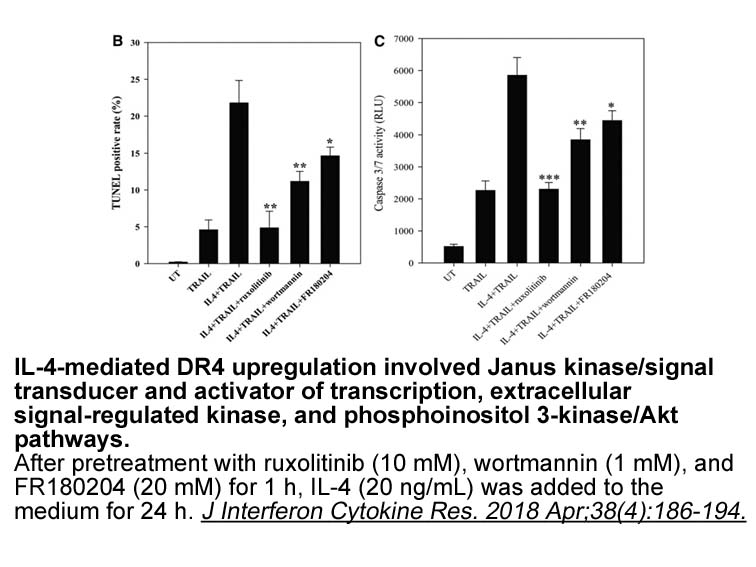
To further clarify the vascular cell types expressing AR subtypes, double immunofluorescence staining for ARs and vascular endothelial Caspase-4 fluorescence detection or vascular smooth muscles was performed. As shown in Fig. 3, Fig. 4, overlay images show the expression of all ARs subtypes that we
-
br Introduction ACK or Activated Cdc
2025-03-03
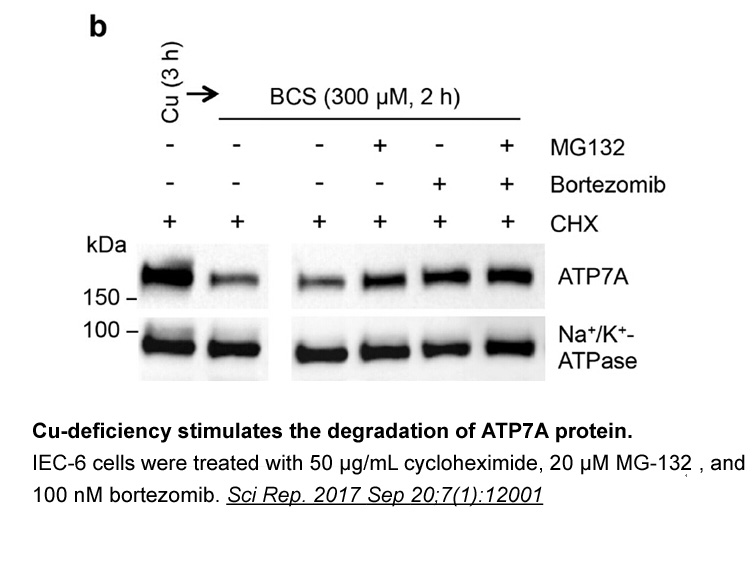
Introduction ACK1, or Activated Cdc42-Associated Kinase, located on chromosome 3q, is a ubiquitously expressed non-receptor tyrosine kinase cloned from a human Granzyme B Inhibitor Z-AAD-CH2Cl receptor cDNA library (Manser et al., 1993). It was first identified to bind to activated Cdc42, a smal
-
The AChR is composed of
2025-03-03
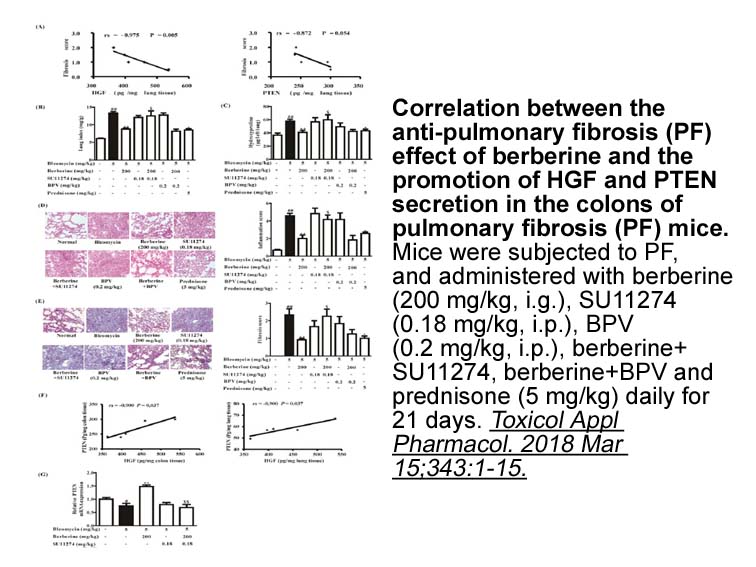
The AChR is composed of five homologous, membrane-spanning subunits. AChRs containing two α, one β, one δ and one γ subunit (AChRγ) predominate during embryonic development and mice lacking AChRγ die at birth (Takahashi et al., 2002). After birth, the AChRγs are replaced during the first 2 postnatal
-
Although our data failed to reproduce the robust enhancement
2025-03-03
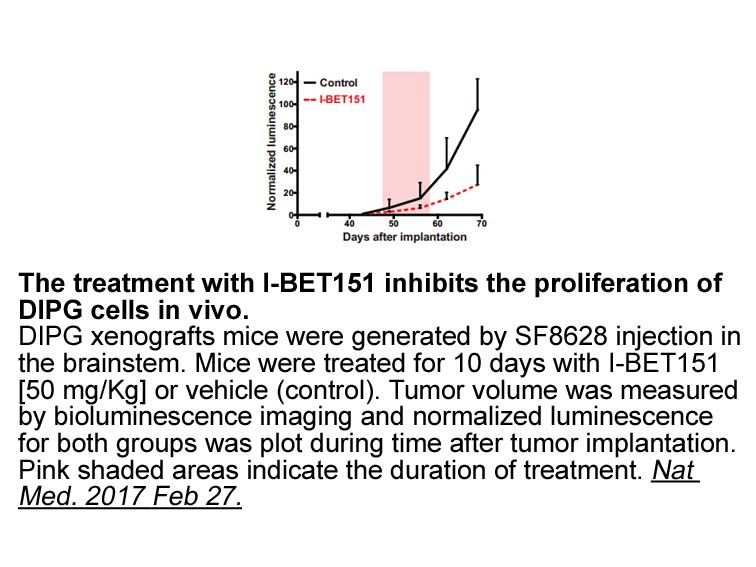
Although our data failed to reproduce the robust enhancement of LTP in the rat dentate with nicotine that was previously reported, our results with NS6740 suggest a more fundamental role for α7 receptor signaling in modulation of synaptic tone in the LTP pathway. The discovery of the cholinergic ant
-
Interestingly a homolog of C elegans acr is
2025-03-03
Interestingly, a homolog of C. elegans acr-23 is present in the A. suum how did mandisa die (Jex et al., 2011). However, A. suum is not susceptible to monepantel treatment in vivo (Tritten et al., 2011). Our research seeks to advance knowledge on the mode of action of monepantel on nAChRs from Clade
8514 records 36/568 page Previous Next First page 上5页 3637383940 下5页 Last page